

East Africa Permaculture – Kenya
Progress Update
February to March 2026
East Africa Permaculture–Kenya continues to make steady progress in the communities of Kisii Ndogo and Bahati Msaideni. The work in both locations is developing in a practical and systematic way, building on the foundation established last year.
During the previous year, important elements were implemented on the project sites, and those efforts led to encouraging results in site productivity. The women working on the sites also saw meaningful benefits from their involvement. This year, the focus is moving deeper into specific permaculture methods and training, especially through the continued development of Monica and Christine.
This Year’s Key Focus Areas
Rebuilding and Maintaining Healthy Soil
Healthy soil remains one of the project’s top priorities. Strengthening soil health will directly improve the productivity of the sites and support long-term sustainability.
Recovering Degraded Soil
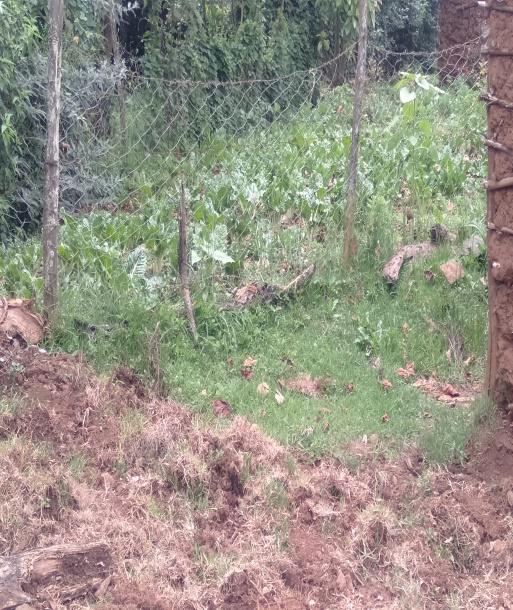
Some areas require more time and attention in order to restore soil quality. These degraded sections are being carefully worked on so they can become productive again.
Teaching “Pattern to Details”
This important permaculture principle helps participants understand how to observe the wider system before focusing on smaller design elements. Monica and Christine are continuing to learn how to identify and apply these patterns in a practical way.
Using DMAIC for Better Systems
The project is also introducing the DMAIC framework — Define, Measure, Analyze, Improve, and Control. This approach helps participants ask the right questions, understand how the system functions, and improve how the sites are managed and taught to visitors from other communities.
Building Economic and Social Resilience
Permaculture is not only about growing food. It is also about helping vulnerable communities become more stable and resilient during financial hardship. Through collaboration, productivity planning, and practical site work, the program is helping reduce vulnerability and strengthen food security.
Skills Development and Empowerment
The training model is designed to equip community members with skills that support well-being, protect livelihoods, and reduce economic disruption at the local level. The goal is not just short-term output, but long-term empowerment.
Strengthening Social Cohesion
The project is also fostering trust, emotional support, shared vision, and stronger relationships within the community. Permaculture is becoming a tool not only for food production, but also for connection, healing, and mutual support.
More Than Gardening
This work goes far beyond simply planting crops or laying out gardens. Permaculture supports a broader vision of sustainability that includes:
- social sustainability
- economic sustainability
- spiritual and moral support
- community development
- justice and resilience
It is a practical and human-centered movement that strengthens lives in many ways.
Christine’s Growth and Leadership
Christine has continued developing her own kitchen garden and is now selling green vegetables within her community. She is also teaching other women through practice and example.
This is a strong example of how permaculture creates both economic opportunity and social resilience. Christine is not only working on the community site, but also applying what she has learned at home and passing that knowledge to others.
Her personal progress has also been significant. As a single mother raising eight children, she has faced many challenges. Through working together with Monica and being part of this program, she has grown in confidence and strength. The permaculture site has become a place of support, healing, and encouragement.
Training in Zoning and Site Planning
Another important area of learning has been zoning. Zoning is a spatial planning strategy that divides land into different areas based on how frequently they are used and for what purpose.
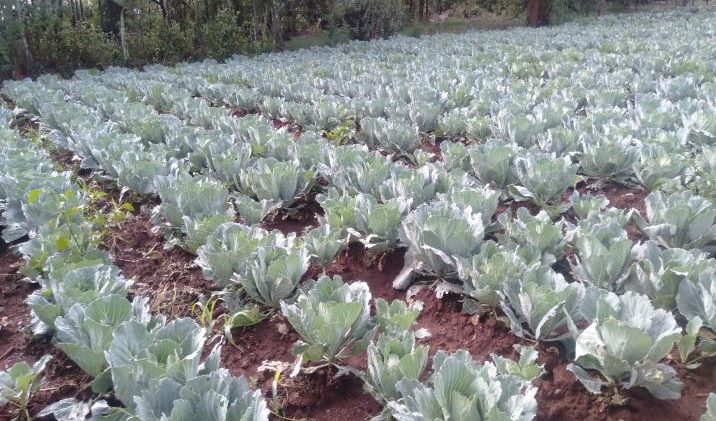
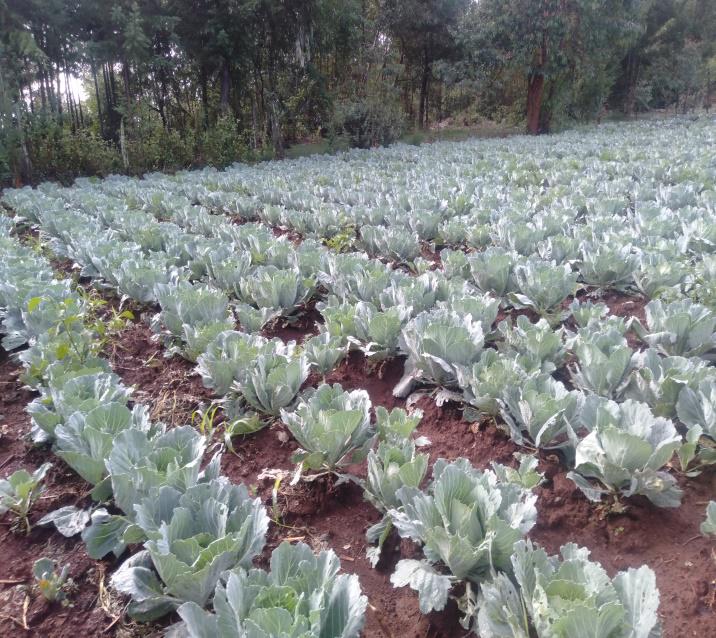
At the Sisters’ site, this principle is being applied to organize the land for more effective use, including the development of a commercial zone of about half an acre dedicated to growing green vegetables for sale to the local community and market sellers.
Practical Site Integration
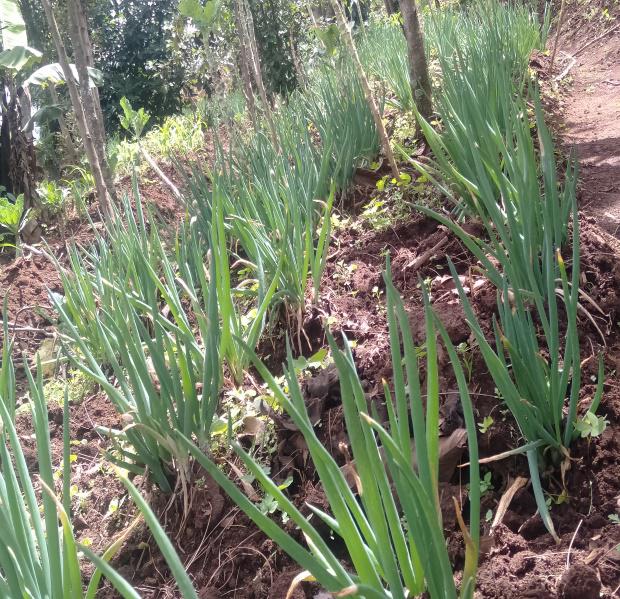
The project continues to emphasize integrated planting methods. For example, onions are consistently included on permaculture sites because they help act as natural pest repellents and support crop health.
Gratitude and Encouragement
The work is progressing well, and this progress is possible because of the support that has made this program available in different communities. The impact is being felt not only in food production, but also in the lives of the people involved.
Prepared by:
Joash Barasa
Field Manager
East Africa Permaculture


